
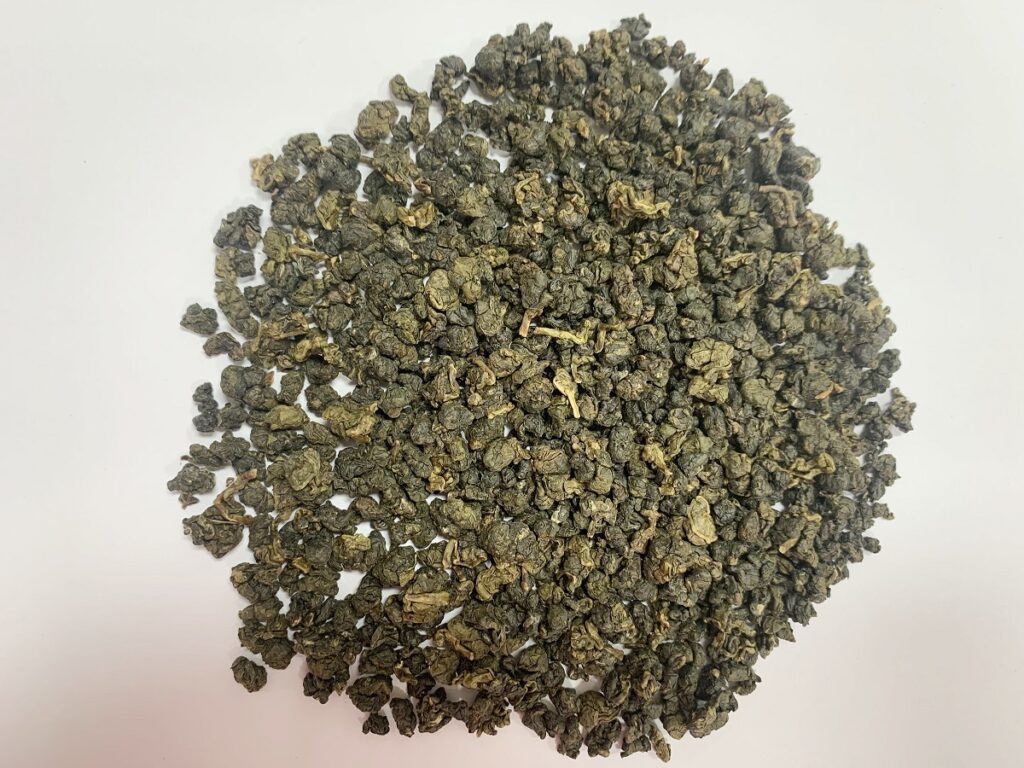
Why it’s called GABA Oolong
The name refers to the increased level of γ-aminobutyric acid (GABA) in the tea leaves caused by a special processing step; the base tea is oolong (semi-oxidized), hence “GABA Oolong”.
How is GABA increased — the special processing?
Principle: Under low-oxygen / anaerobic conditions (often achieved by flushing with nitrogen, vacuum sealing, or otherwise creating oxygen-deprived conditions), the enzyme glutamate decarboxylase (GAD) converts glutamic acid in the leaves into GABA. This takes place over several hours to days with controlled temperature.
Typical flow: harvest → withering/shaking (as for oolong) → fixation/light rolling → anaerobic / nitrogen treatment → normal rolling/oxidation adjustments → drying/roast finalization.
Key factors: oxygen level, duration, temperature, and the leaf’s initial glutamic acid content determine final GABA content.
Health-related effects of GABA (and evidence/precautions)
Potential benefits (based on research and use):
May promote relaxation and reduce feelings of anxiety/stress.
May improve sleep quality and reduce time to fall asleep in some people.
Some studies show modest blood-pressure-lowering effects in people with mild hypertension.
Other possible benefits: muscle relaxation, reduced neural excitability.
Key characteristics OF Gaba Oolong tea:
Taste: typically smoother and mellower than comparable conventional oolongs, with lower astringency and bitterness and a noticeable sweet aftertaste.
Aroma: can be floral, fruity, fresh or lightly roasted, depending on cultivar and final roast.
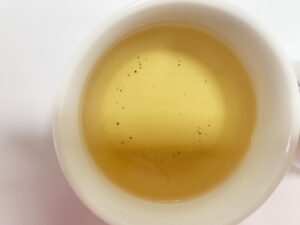
Liquor: usually golden to amber.
Functional feel: many drinkers report calming or relaxing effects; effects vary individually.