
History
It is said that a long time ago, there was no tea in Xinyang. The locals, oppressed by local officials, had got “fatigue fever”. Lots of people died.
A girl called Chungu decided to seek a kind of precious tree to cure the villagers. Chungu walked for 81 days, and then found seeds of the tea tree which can treat the illness. Soon, the tea tree grew up and cured them. From then on, many people planted tea trees. Thus tea gardons and tea hills came into being.
Recommend Brewing Method
Teacup: 250ml
85℃
2 Teaspoons / 2g Tea
Brewing Time:3-5mins
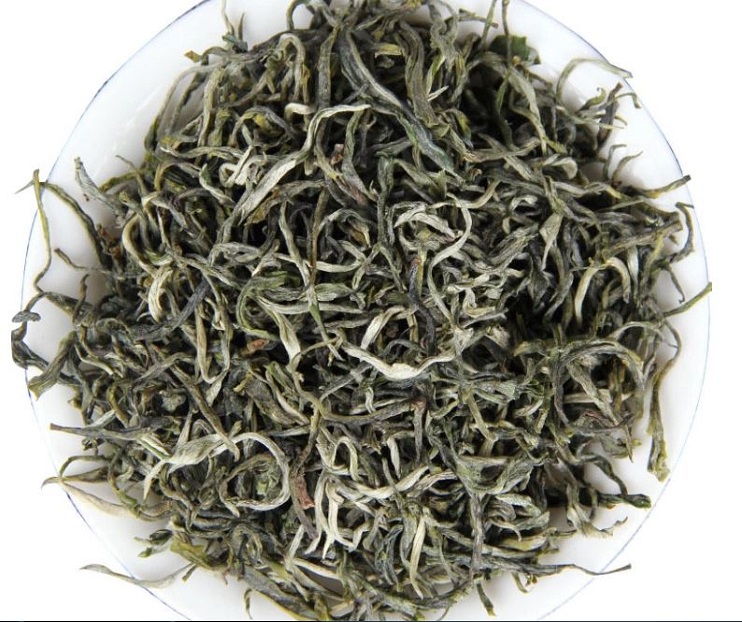
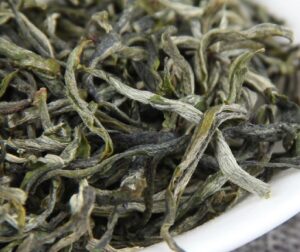
Production of tea in Xinyang county, Henan stretches back over a thousand years; however, the origins of Xinyang Maojian in particular traces back to 1903 when the local government brought in tea masters from Anhui in order to develop a local tea industry. Several years devoted to improving growing and production techniques led to the development of this unique tea, and it quickly gained reputation within China as a fabulous and characteristic green tea.
In 1915 it then gained international recognition by winning a gold medal at the World Expo, held in San Francisco that year. Then, in 1958 it was officially recognized in China as one of the country’s “top ten” teas. Today it is still widely grown in its birthplace of the high Xinyang mountains, and is much sought after by Chinese tea drinkers.
Effects of green tea
- Rich in theanine and catechin, it can delay aging and remove free radicals.
- Polyphenols and their oxidation products in green tea are able to absorb poison of radioactive materials, and thus to help prevent cardiovascular diseases.
- It can prevent and treat radiation injury.
- Caffeine in tea can enhance the excitement process of cerebral cortex and plays a role of refreshing.